1. Layers - Jigsaw Amalgam Exercise
2. Layers - Tutor Amalgam Exercise
3. Selection - Melon Head Exercise
4. Clone - Wedding Splash Exercise
5. Repair - Paula Rego Painting Exercise
6. Panorama - Knit it Together Exercise
7. Adjustments - Exercise
8. Filters - Exercise
9. Actions - Exercise
10. Assessment Exercise - Amalgam
11. Typography 03 Exercise
Tuesday, 9 September 2014

Wednesday, 3 September 2014
HA1 Task 3 – Graphic Types
Pixel Art
Pixel art is a form of digital art, created through the use
of raster graphics software, where images are created pixel by pixel.

Some traditional art forms, such as counted-thread embroidery (including cross-stitch) and some kinds of mosaic and beadwork, are very similar to pixel art. These art forms construct pictures out of small colored units similar to the pixels of modern digital computing.

This practice was very popular before 3D games became so dominant, but has experienced a resurgence with renewed interest in retro-gaming.

Pixel art can be recognised by the blocked, bricked or tiled effect achieved through the build up of clearly defined squares of colour. The main challenge faced when creating pixel art is the fact that canvases are very small and therefore the information that can be put into the image is limited.
Pixel art is commonly divided in two subcategories: isometric and non-isometric. The isometric kind is drawn in a near-isometric projection. This is commonly seen in games to provide a three-dimensional view without using any real three-dimensional processing. The three coordinate axes appear equally foreshortened and the angles between any two of them are 120 degrees.


This practice was very popular before 3D games became so dominant, but has experienced a resurgence with renewed interest in retro-gaming.


Pixel art can be recognised by the blocked, bricked or tiled effect achieved through the build up of clearly defined squares of colour. The main challenge faced when creating pixel art is the fact that canvases are very small and therefore the information that can be put into the image is limited.
Pixel art is commonly divided in two subcategories: isometric and non-isometric. The isometric kind is drawn in a near-isometric projection. This is commonly seen in games to provide a three-dimensional view without using any real three-dimensional processing. The three coordinate axes appear equally foreshortened and the angles between any two of them are 120 degrees.

http://orig13.deviantart.net/b9b9/f/2013/317/3/f/sample_isometrics_by_timjonsson-d6u4hsz.png
https://thumbsplus.tutsplus.com/uploads/users/358/posts/23828/preview_image/00-preview.png?height=300&width=300
https://en.wikipedia.org/wiki/Isometric_projection
http://en.wikipedia.org/wiki/Pixel_art
https://thumbsplus.tutsplus.com/uploads/users/358/posts/23828/preview_image/00-preview.png?height=300&width=300
https://en.wikipedia.org/wiki/Isometric_projection
http://en.wikipedia.org/wiki/Pixel_art
Concept Art
Concept art is a form of illustration used to develop an
idea for use in video games, before it is put into the final product. It could
involve the creation of the setting, character or objects – tools, weapons etc. It is important to remember that there are a number of stages to this illustration process.


Concept art is also referred to as visual development and/or
concept design. This term can also be applied to a range of other creative
industries – animation, retail, set, fashion, architectural and industrial
design.
http://cdn.bloody-disgusting.com/wp-content/uploads/2014/05/TLoU_2.jpg
https://cdn1.vox-cdn.com/thumbor/JZ99WUTdChCZ7UCd8D1LnuUhjaE=/0x29:1100x762/1025x683/cdn0.vox-cdn.com/assets/1694419/Halo4-445.jpeg
https://s-media-cache-ak0.pinimg.com/736x/90/08/29/900829ace8848b3401235cfadc4d2841.jpg
http://www.lightninggamingnews.com/wp-content/uploads/2013/03/GDC-2013Destiny-concept-art-work-and-character-development-video-25-1024x640.jpg
http://media.moddb.com/images/games/1/26/25825/Aterra_Waterfalls_concept_art_process.jpg
http://www.iamag.co/features/itsart/wp-content/uploads/2013/06/destiny-39.jpg
http://i0.wp.com/www.themovies.co.za/wp-content/uploads/2015/05/MM-Fury-Road-21.jpg
https://s-media-cache-ak0.pinimg.com/736x/92/6e/e1/926ee121a26038390e8a1f0a1b8a99ed.jpg
http://www.philcampbelldesign.com/index.php/portfolio/stuff/mystery_games/
https://s-media-cache-ak0.pinimg.com/736x/39/06/d2/3906d2331ba1f341ef19e6cfc126a04f.jpg
https://s-media-cache-ak0.pinimg.com/736x/f8/26/57/f82657f9946fa6454948e1076613f8df.jpg
http://howtonotsuckatgamedesign.com/2014/02/lets-get-real-concept-art/
Texture Art
A texture artist is an individual who develops textures for game assets. These textures are falt, photographic images that
are overlaid onto a polygon mesh to create a realistic 3D model.


https://s-media-cache-ak0.pinimg.com/originals/ab/e9/36/abe936e09eb33338b509fe9f108f8854.jpg
https://s-media-cache-ak0.pinimg.com/originals/da/ef/a8/daefa8c51861f24dffa107a7c2495d27.jpg
https://nizuvault.files.wordpress.com/2010/11/scifi-vent.png
Background Graphics
These are the graphics used in the background of a game or
the interface (UI). They help to stage a game or assist in the playing of it,
but are not directly involved in character or object design.


https://lh3.ggpht.com/35sjH7kI3BpRCv8NVDWoD-Q_k6SkjG0piJhSgW_7CE7oWSeV-KQBrRZ7gRtrUi1l-l4=h900
http://www.darrylspratt.com/pictures/UI-SteamPunkMap_1080.jpg
http://d2w44o0005edoo.cloudfront.net/wp-content/uploads/2012/02/ROO_UI_draft19b-orbis_nav.jpg
http://i.imgur.com/UUifs.jpg
https://s-media-cache-ak0.pinimg.com/originals/01/7f/d7/017fd76727cab8300e0a0d02cfd420c4.gif
Print Media Graphics
These are items like such as posters and box art, which can
be used for marketing. Print media art is essentially any type of graphical
work related to a game that is in print form.


http://i.imgur.com/Id7PieM.jpg
http://www.red5.co.uk/media/catalog/product/cache/1/image/9df78eab33525d08d6e5fb8d27136e95/m/i/minecraft-foam-sword_packaging.jpg
http://www.gameseek.co.uk/images/products/minecraft_xbox_one_24_VideoGamesh66sxz2np3_a.jpg
http://i01.i.aliimg.com/wsphoto/v0/32236885327_1/1Pcs-Minecraft-Creeper-Face-Mug-Sandbox-Game-8-5-oz-Novelty-Ceramics-Coffee-Cup-free-shipping.jpg
http://www.google.co.uk/imgres?imgurl=https://blogger.googleusercontent.com/img/b/R29vZ2xl/AVvXsEj8ZNbL5nesYeuKVOoKbAMBlHhlYlVB8ipKlPHAItyXPAMXMd5BVonaOhzBbTPOMOOVKmoBh91rWMyrhkecKGIgIoxH3l22tlvydCvN2kxUR7SpkqmwWWF5XsOGgWZEGWtsMSmQ-BEY74E/s1600/Shiro%252BCosmetics%252BMinecraft%252BRandomly%252BGenerated%252BShadows%252BSwatches.jpg&imgrefurl=http://mishmreow.blogspot.com/2014/07/shiro-cosmetics-randomly-generated.html&h=1067&w=1600&tbnid=QiG_4pxvykiq5M:&docid=sweLHut-pSl3TM&ei=2YY_VsLDB8WWPP_8isgF&tbm=isch&ved=0CFwQMyg1MDVqFQoTCIKU-rqtgckCFUULDwodf74CWQ
http://www.popstoys.co.za/img/p/1/0/8/1/1081-thickbox_default.jpg
http://images.fun.com/products/12874/1-1/adult-minecraft-creeper-hooded-sweatshirt.jpg

HA1 Task 2 – Artistic Styles
It is important to have an understanding of the artistic styles that are used in computer games. They owe much from the world of art. Broadly speaking, they can be placed into one of four categories:
Photorealism
The term photorealism was first used in the late 1960s and early 1970s to describe an art movement where paint was used to create images that were more real than those that could be created using a camera.
Long before digital art, these artists would work from photographs by gridding them up and then recreate the images square by square.
For example, Chuck Close created larger than life portraits that detailed each hair and pore on the skin.


The problem for games, unlike films, is that the scene being played has to be rendered in real time. This requires a lot of processing power and is the reason many games have favoured gameplay and interactivity over the way a game looks. For example, Minecraft and World of Warcraft.


However, the desire to create ever-more high quality levels of realism have led to reputedly the most expensive video game of all time, Destiny. There is still a big difference between the photorealism quality of the trailers/cut scenes and gameplay.
Cel Shading
Cel shading or toon shading is a type of non-photorealistic rendering designed to make 3-D computer graphics appear to be flat by using less shading color instead of a shade gradient or tints and shades.

Cel-shading is often used to mimic the style of a comic book or cartoon. The name comes from cels (short for celluloid), the clear sheets of acetate which are painted on for use in traditional 2D animation.
Here, TheArchivist42 runs through his top 5 cel-shaded games, Sly Cooper: Thieves in Time, Okami, Borderlands 2, The Wind Waker HD and The Walking Dead (interesting in itself because it started out in life as a graphic novel).
Abstraction
Abstraction takes its name from the art movement that began in the late 1800s. It is known for imagery that is non-representational, focussing on shape, colour and movement. There is little or no narrative (storyline).
The first game to fully illustrate this style was Tetris.

Geometry Wars is a game that advertises its abstract qualities in the name.

There are still many current examples of successful games adopting this style. Dyad takes the player through colourful and abstract tunnels.
Exaggeration
This is a very prominent style as any form of public entertainment uses an element of exaggeration to draw in an audience. It also serves to take the gamer into an immersive, alternative world.
Over the top graphics, music and gameplay are used. A good example of this can be found in Anime/Manga inspired games like, Ultlimate Ninja.
However, more conventional party game simulators like Just Dance also employ many of the same visual techniques.
Photorealism
The term photorealism was first used in the late 1960s and early 1970s to describe an art movement where paint was used to create images that were more real than those that could be created using a camera.
Long before digital art, these artists would work from photographs by gridding them up and then recreate the images square by square.
For example, Chuck Close created larger than life portraits that detailed each hair and pore on the skin.
Mark, 1979. acrylic on canvas


The problem for games, unlike films, is that the scene being played has to be rendered in real time. This requires a lot of processing power and is the reason many games have favoured gameplay and interactivity over the way a game looks. For example, Minecraft and World of Warcraft.

However, the desire to create ever-more high quality levels of realism have led to reputedly the most expensive video game of all time, Destiny. There is still a big difference between the photorealism quality of the trailers/cut scenes and gameplay.
Cel Shading
Cel shading or toon shading is a type of non-photorealistic rendering designed to make 3-D computer graphics appear to be flat by using less shading color instead of a shade gradient or tints and shades.
Cel-shading is often used to mimic the style of a comic book or cartoon. The name comes from cels (short for celluloid), the clear sheets of acetate which are painted on for use in traditional 2D animation.
Here, TheArchivist42 runs through his top 5 cel-shaded games, Sly Cooper: Thieves in Time, Okami, Borderlands 2, The Wind Waker HD and The Walking Dead (interesting in itself because it started out in life as a graphic novel).
Abstraction
Abstraction takes its name from the art movement that began in the late 1800s. It is known for imagery that is non-representational, focussing on shape, colour and movement. There is little or no narrative (storyline).
The first game to fully illustrate this style was Tetris.

Geometry Wars is a game that advertises its abstract qualities in the name.

There are still many current examples of successful games adopting this style. Dyad takes the player through colourful and abstract tunnels.
Exaggeration
This is a very prominent style as any form of public entertainment uses an element of exaggeration to draw in an audience. It also serves to take the gamer into an immersive, alternative world.
Over the top graphics, music and gameplay are used. A good example of this can be found in Anime/Manga inspired games like, Ultlimate Ninja.
However, more conventional party game simulators like Just Dance also employ many of the same visual techniques.
HA1 Task 1 - Technical Glossary
• Pixel

The term pixel is actually short for Picture Element. These small little dots are what make up the images on digital. The screen is divided up into a matrix of thousands or even millions of pixels.
Each pixel can only be one colour at a time. However, since they are so small, pixels often blend together to form various shades and blends of colours. The number of colours each pixel can be is determined by the number of bits used to represent it.
Colour Depth
1 bit colour 4 bit colour 8 bit colour 24 bit colour |
No. Of Colours
2 16 256 16,777,216 or True Colour |
1 bit colour


4 bit colour


8 bit colour

24 bit colour


Determining Colour Depth - Since each bit represents 2 colours, it is easy to work out the number of colours for the various colour depths. The number of possible colours would be 2 to the power of the number of bits per pixel:
A colour depth of 4 bits would be 2 times itself 4 times: 2 x 2 x 2 x 2 = 16 colours
A colour depth of 8 bits would be 2 times itself 8 times: 2 x 2 x 2 x 2 x 2 x 2 x 2 x 2 = 256 colours.
A colour depth of 24 bits would be 2 times itself 24 times: 2 x 2 x 2 x 2 x 2 x 2 x 2 x 2 x 2 x 2 x 2 x 2 x 2 x 2 x 2 x 2 x 2 x 2 x 2 x 2 x 2 x 2 x 2 x 2 = 16,777,216 colours
There are several established colour models used in computer graphics, but the two most common are the RGB model (Red-Green-Blue) for computer display and the CMYK model (Cyan-Magenta-Yellow-black) for printing.


• Resolution
Put into some very basic terms, resolution is the quality of the image. As the resolution goes up, the image becomes more clear. It becomes sharper, more defined, and more detailed as well. Why is that? Because there’s more information in the same small space. Your computer, laptop and your smartphone (if you’re lucky enough to have one) both have image resolutions. There is a certain number of dots in the space that is the screen. Put even more simply, the more dots you jam into the width and height of the screen, the higher the resolution. The less dots, the lower the resolution.
| Number of Megapixels | Image Dimensions | Acceptable Print Size (Inches) |
| 2.0 | 1740 x 1160 | 4 x 6 [standard] |
| 3.0 | 2160 x 1440 | 5 x 7 |
| 4.0 | 2450 x 1633 | 8 x 10 |
| 6.0 | 3000 x 2000 | 9 x 12 |
| 8.0 | 3504 x 2336 | 9 x 12 |
| 10.0 | 3872 x 2592 | 10 x 15 |
| 12.0 | 4256 x 2832 | 11 x 17 |
| 14.0 | 4608 x 3072 | 12 x 18 |
| 16.0 | 4928 x 3264 | 16 x 20 |
| 18.0 | 5184 x 3456 | 16 x 20 |
| 24.0 | 6016 x 4000 | 20 x 24 |
• Anti-aliasing

Anti-aliasing is the process of smoothing the jagged appearance of diagonal lines in a bitmapped image. The pixels that surround the edges of the line are changed to varying shades of gray or color in order to blend the sharp edge into the background.

This refers to the proportions of the screen you are working with, whether a flat-screen TV or Smartphone.
• Raster Images: file formats and uses - psd, bmp, gif, tiff, jpg, png

Raster images are more commonly called bitmap images. A bitmap image uses a grid of individual pixels where each pixel can be a different colour or shade. Bitmaps are composed of pixels.
•Vector Images: file formats and uses - eps, wmf, fla, svg, ai
Vector graphics use mathematical relationships between points and the paths connecting them to describe an image. Vector graphics are composed of paths.
• Cross-platform Images: format and uses - pdf
Adobe® Portable Document Format (PDF)
The Adobe Portable Document Format (PDF) is used for publishing electronic documents to be distributed over the Internet and other online services. The advantages to PDF files are:
1. Their compact size...making them ideal for distributing product brochures and technical manuals over the Internet.
2. They are platform independent - they work with both Mac® and PC computers.
3. The software used to read and print them is free.
4. They display and print using the PostScript® page-description language. That means if line art is embedded as vector objects, it will display and print perfectly at any size or resolution. Plus it can be extracted and placed into illustration documents or bitmap images.
5. Fonts are embedded within them so the target computer does not have to have the fonts installed to view them.
6. They are fully searchable.
7. They can contain hyperlinks to pages within the PDF document itself or to a web page on the Internet - or to movie clips.
8. They contain PostScript® data and can be imported into both image editors and illustration programs just like EPS files.
9. Vector art contained in the PDF file will make PERFECT printed output at any resolution - just as if the output were being printed from a job saved as a PostScript .PS or .PRN file. If there are embedded bitmaps they will usually be downsampled to 72 pixels per inch for viewing on a monitor or for transporting over the Internet. This is to keep their file size small. However, bitmaps can be embedded at high resolution for high-end output.
10. The PDF file format is ideal for distributing online brochures and technical documents.
• Compression - lossy and lossless
Compression is the process whereby a file is squeezed into a smaller parcel for storage or transmission. There are two types:


Lossless Compression
Whether a file is being stored or transmitted, once opened again, lossless compression recreates a the file as an identical match to its original form. All lossless compression uses techniques to break up a file into smaller segments. With lossless compression, every single bit of data that was originally in the file remains after the file is uncompressed. All of the information is completely restored.
Lossy Compression
Lossy compression works very differently. These programs simply eliminate unnecessary bits of information, tailoring the file so that it is smaller. This type of compression is used a lot for reducing the file size of bitmap pictures, which tend to be fairly bulky. When the file is uncompressed, only a part of the original information is still there (although the user may not notice it). Lossy compression can't be used to compress anything that needs to be reproduced exactly
• Image Capture Devices – scanner, digital camera, tablet/smartphone
Regardless of the type of device, in order to capture raster imagery a lens has to be used.


• Optimising
Image optimisation takes place to prepare the artwork for its final use. This could involve, resizing, altering resolution, cropping, changing the file format ad colour model and all depends on what the image is being used for. It is essential to remember that the final outcome will need to be considered from the start of the design process, otherwise options may be limited.
• Storage and Asset Management
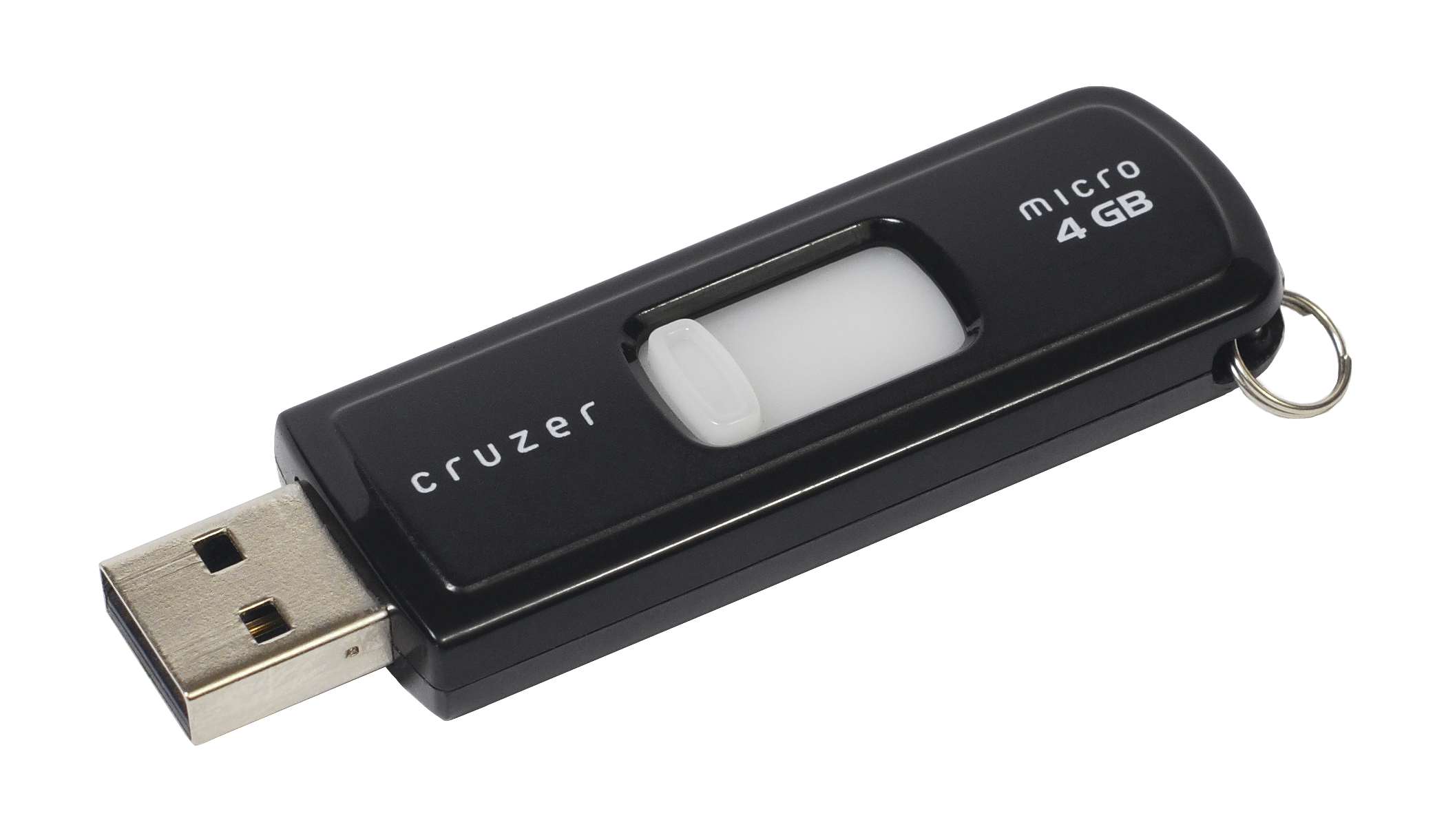
The storage and organisation of artwork is crucial, both in terms of working efficiently and securely. Sloppy security can lead to designers having work stolen or being in breach of contract with clients. Work is now stored in a variety of ways; locally using hard-drives, portable drives, CD and DVD and cloud-based storage systems.



Subscribe to:
Posts (Atom)